
Parallel Universes
Parallel Universes


Methods of Time Travel and Parallel Universes
Introduction
Time travel and parallel universes have long been popular concepts in science fiction and theoretical physics. The idea of traveling to the past or future, as well as the existence of multiple universes, sparks the imagination and curiosity of many. While these concepts are largely hypothetical, scientists and enthusiasts have explored various theoretical methods that could potentially make time travel and parallel universes a reality.
Methods of Time Travel
Time travel is a fascinating concept that has been explored in literature, movies, and scientific discussions. While practical time travel remains a subject of debate, several theoretical methods have been proposed:
1. Wormholes
Wormholes are theoretical passages through spacetime that could create shortcuts for long journeys across the universe or even allow travel through time. However, the existence of wormholes remains speculative, and their stability for time travel is uncertain.
2. Time Machines
Concepts of time machines, like the famous DeLorean from "Back to the Future," involve creating devices that can manipulate spacetime to enable travel to different points in time. While these devices are currently only theoretical, they continue to capture the imagination of many.
Parallel Universes
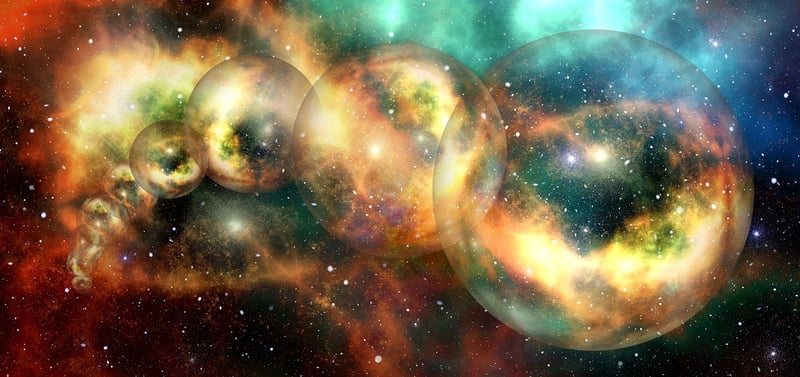
The idea of parallel universes suggests the existence of multiple realities that coexist with our own. While evidence for parallel universes is lacking, several theories have been proposed to explain their potential existence:
1. Multiverse Theory
The multiverse theory posits that there are multiple universes, each with its own set of physical laws and constants. These parallel universes could potentially interact with each other in ways beyond our current understanding.
2. Many-Worlds Interpretation
According to the many-worlds interpretation of quantum mechanics, every possible outcome of a quantum event is realized in a separate branch of the universe. This theory suggests that every decision creates a new parallel universe.
Conclusion
Time travel and parallel universes continue to captivate the human imagination, inspiring further research and exploration into the mysteries of spacetime. While the practical realization of these concepts remains uncertain, the pursuit of understanding them pushes the boundaries of human knowledge and creativity.